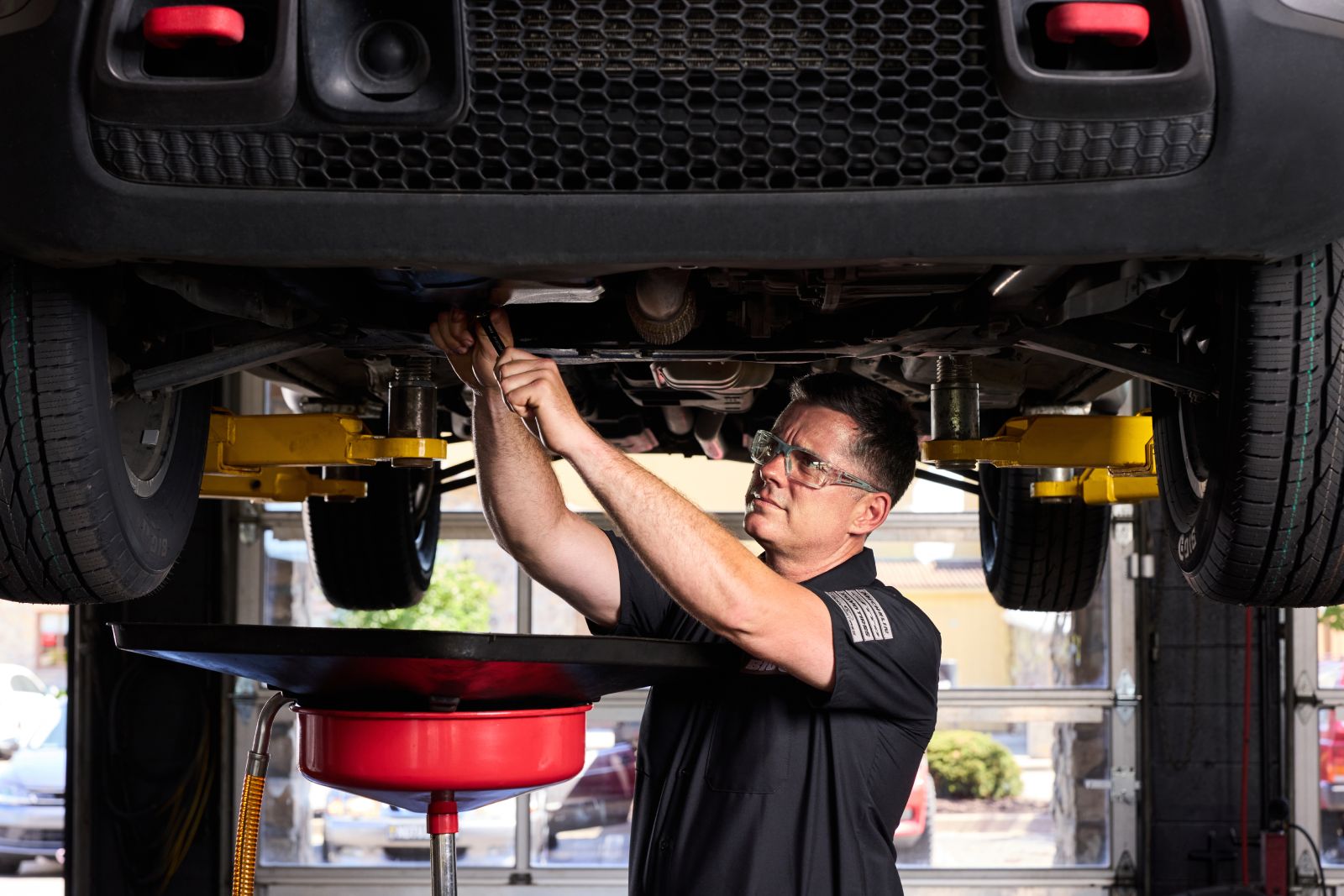
If you’ve ever wondered how often you should change your oil, you’re not alone. It’s one of the most common questions drivers ask, and it also connects directly to how automotive service brands like Big O build steady, repeat-driven revenue. Regular oil changes don’t just protect engines; they bring customers back multiple times a year, creating a reliable business cycle.
How Often Should You Change Your Oil?
When it comes to how often you should change your oil, most vehicles fall between 3,000 and 7,500 miles. The range depends on oil type, driving conditions, and how the vehicle is used over time.
Some drivers still ask: After how many miles should I change my oil? Because real-world driving often differs from manufacturer guidelines. Frequent short trips, heavy traffic, and extreme weather can all shorten intervals.
Understanding when to do an oil change also means paying attention to timing beyond mileage. Seasonal changes and driving habits can signal when it’s time to come in, even if the odometer hasn’t reached a set number.
Why Oil Changes Create Built-In Repeat Customers
Oil changes create repeat visits without needing to convince customers to come back. Most drivers need oil changes two to four times per year, depending on mileage and vehicle usage, which creates a built-in cycle of repeat visits.
That predictable cycle helps businesses maintain steady traffic. Instead of relying on one-time purchases, service centers benefit from customers who already expect to return.
For operators, this reduces the pressure to constantly attract new clients. It also creates a more stable foundation for long-term growth. This consistency also makes staffing, inventory planning, and daily operations easier to manage.
The Business Model Behind Oil Change Frequency
Oil change frequency shapes how the entire operation runs. Regular service intervals bring customers in consistently, which supports predictable revenue and opens the door for additional services during each visit.
Recurring Revenue Through Maintenance Cycles
Routine maintenance drives consistent demand. Customers return every few months, creating a steady flow of appointments throughout the year.
These patterns make it easier to anticipate busy periods and plan operations accordingly. Over time, repeat visits become the backbone of monthly performance.
Upsell Opportunities During Each Visit
Each visit creates opportunities beyond the initial service. Technicians can recommend filters, tire rotations, and fluid checks based on the vehicle’s condition. These additions increase revenue per visit without requiring extra marketing. For those exploring automotive franchise opportunities, this built-in structure adds another layer of income potential.
Customers often prefer handling multiple needs in one stop. That convenience increases acceptance rates for add-on services. Over time, consistent upselling improves average ticket size and helps balance slower periods without relying on new customer traffic.
Customer Retention and Loyalty
Retention becomes more natural in a business where customers already expect to return. Service reminders and convenient scheduling help keep them engaged. As customers come back, they develop familiarity with the brand. That familiarity often turns into long-term loyalty, which increases overall customer value.
Consistent service quality also plays a role in keeping customers loyal. When expectations are met on every visit, trust builds naturally. This trust encourages repeat business and referrals, which further strengthen long-term growth without needing constant promotional efforts.
Oil Changes vs. Other Franchise Models
Compared to other franchise types, oil change services operate in a category tied to essential needs. That distinction creates more consistency than models influenced by trends or seasonal demand.
Food franchises can fluctuate with changing tastes, while retail often depends on specific times of the year. Automotive service stays relevant because maintenance is ongoing.
This is why many investors consider options like tire franchises when looking for stability. Services connected to vehicle upkeep tend to maintain steady demand regardless of market shifts.
Why Service-Based Franchises Attract Smart Investors
Service-based franchises appeal to investors because they generate repeat business. Oil changes, in particular, create a cycle where customers return regularly without needing constant outreach.
When evaluating a franchise investment, this level of consistency can make a noticeable difference. It allows operators to focus more on service quality and retention instead of constant customer acquisition.
It’s also important to understand the costs associated with operating a franchise. Expenses such as equipment, staffing, and location setup all factor into overall performance, so having a clear picture upfront helps guide better decisions.
Evaluating an Oil Change Franchise Opportunity
Choosing the right opportunity requires a closer look at how the business is structured. Not all franchises offer the same level of support, training, or long-term potential.
What to Look For
Strong brand recognition can help attract customers early on. Training and operational guidance also play a major role, especially for first-time owners.
A structured franchise training program helps ensure consistency across locations while making it easier to manage daily operations. Location strategy is just as important, since accessibility can directly influence customer traffic.
Questions to Ask Before Investing
Before moving forward, take time to evaluate how the business will operate over the long term. Look into support systems, marketing assistance, and growth potential.
Resources about how to assess your opportunities before starting a business can help you compare options more effectively. Asking the right questions early reduces uncertainty later.
Build Predictable Revenue with an Oil Change Franchise
Oil changes combine consistent demand with repeat customer behavior. Drivers return multiple times a year, and each visit supports steady revenue growth.
Regular maintenance creates a dependable service cycle that keeps customers engaged while giving operators more predictable traffic throughout the year.
For investors exploring oil change franchise opportunities, this recurring pattern offers a clear path to building reliable income over time.
Ready to turn repeat service into steady income? Explore your next move, review your options, and connect with us to see what it takes to get started with confidence.