Economic shifts can make business ownership feel uncertain, especially when demand slows in certain industries. Some models continue to perform because they are built around essential needs that customers cannot easily delay. This steady demand helps maintain consistent performance over time. For many investors, that reliability is what makes recession-resistant businesses a practical choice for protecting long-term value in uncertain markets.
Why Investors Seek Recession-Resistant Businesses
Investors often look for stability when economic conditions become uncertain. The goal is not just growth but maintaining consistent performance when other industries slow down. This is where understanding what are often considered recession-proof businesses becomes important, as these models are designed to hold demand even during downturns.
Service-based industries are often viewed as safer investments because they meet ongoing needs. Customers continue to rely on these services regardless of broader economic conditions. This steady demand makes recession-resistant businesses more appealing for those looking to reduce risk while maintaining long-term potential.
What Defines a Recession-Resistant Business?
Certain characteristics set these businesses apart from others. A strong foundation built on demand, repeat customers, and trust helps ensure consistency. Many of these traits are shared across industries that are recession-proof, making them easier to identify and evaluate.
Essential, Non-Discretionary Services
Businesses that provide essential services tend to perform more consistently. These are services people cannot easily postpone, such as automotive repair, healthcare, and home maintenance. Because customers rely on them, demand remains steady even when spending tightens. This makes them a key part of industries that are recession-proof.
Consistent Demand in Any Economy
Stability comes from ongoing demand that does not fluctuate heavily with economic changes. These are often businesses that do well in a recession because customers continue to prioritize them. Instead of relying on trends, they operate within a cycle of ongoing need.
Recurring Customer Needs
Repeat business plays a major role in maintaining stability. Services tied to maintenance, repairs, or regular checkups encourage customers to return over time. This creates predictable income streams that are less affected by sudden economic changes. As a result, businesses can focus more on operations rather than constant customer acquisition.
Strong Brand Trust and Reliability
During uncertain times, customers tend to stick with brands they trust. Businesses that build strong relationships with their customers are more likely to retain them. Reliability becomes a deciding factor, especially when consumers are more selective with their spending.
Why Automotive Services Are Recession-Resistant
Automotive services continue to perform well because they are tied to daily life. Vehicles are essential for commuting, work, and everyday responsibilities. When something goes wrong, it needs to be addressed regardless of economic conditions. This makes automotive services one of the most dependable examples of recession-resistant businesses.
Franchise opportunities in this space provide a structured path for new owners. For those exploring an auto repair franchise, this approach offers access to proven systems designed for efficiency and consistency. Many investors also consider options like an oil change franchise or broader automotive franchise opportunities when looking for scalable entry points. Together, these models help reduce uncertainty while supporting long-term growth.
The Impact of Economic Downturns on Vehicle Ownership
Economic downturns often change how people approach large purchases. Instead of buying new vehicles, many choose to keep their current ones longer. This shift increases the need for maintenance and repair services, as older vehicles require more frequent attention.
As vehicles age, service needs become more consistent and sometimes more complex. This creates ongoing opportunities for service providers to meet demand. In many cases, this pattern strengthens the position of automotive businesses during slower economic periods.
This shift in consumer behavior is a key reason automotive service businesses tend to remain stable even as other industries slow.
How Big O Tires Stands Out in a Recession
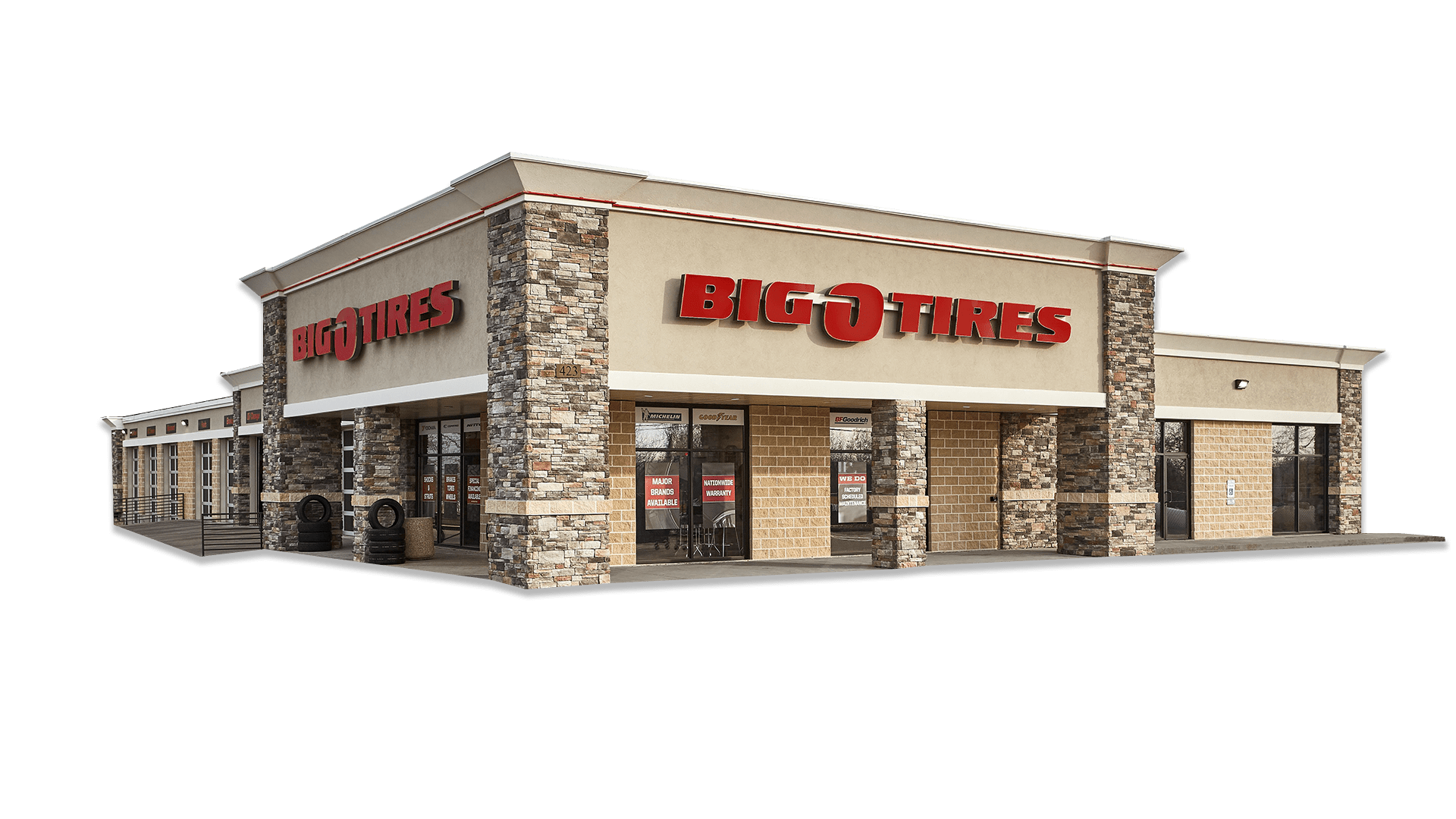
Big O Tires has built its reputation on delivering essential automotive services that drivers depend on regardless of economic conditions. With decades of experience, the brand has developed systems that support consistent service delivery across locations. This level of structure helps maintain quality while allowing individual operators to focus on their local markets.
The range of services, including tires, oil changes, brakes, and diagnostics, keeps customer demand steady. These are services that drivers cannot ignore for long, which encourages repeat visits.
The Advantage of a Proven Franchise Model
A proven franchise model provides a structured path into business ownership. Instead of starting from scratch, owners step into systems that have already been tested in real markets.
Financial clarity begins with understanding the franchise investment, which outlines the costs involved in starting and running the business. On top of that, franchisee training and support help ensure owners are equipped to manage daily operations effectively.
Reduce Risk With Franchise Ownership
Franchise ownership helps reduce many of the risks associated with independent startups. The learning curve becomes shorter because systems and processes are already in place.
Access to guidance and updated strategies helps businesses stay aligned with changing conditions. For those exploring recession-resistant business opportunities, this level of support can make a significant difference in long-term performance.
This structure allows owners to focus on performance and growth rather than navigating uncertainty alone.
Finding the Right Opportunity for Long-Term Stability
Choosing the right business involves evaluating several factors, including budget, location, and long-term goals. Understanding your financial capacity helps narrow down which options are realistic. From there, market demand and territory availability become key considerations.
Exploring available franchises near you can help identify opportunities that align with your preferred location. Some individuals may also benefit from options like veteran-friendly franchises, which offer additional support during the transition into business ownership. Taking the time to assess these factors leads to a more informed decision.
Final Thoughts: Invest in Stability, Not Uncertainty
Recession-resistant businesses offer a level of stability that many other models cannot match. They are built around essential services, repeat customers, and consistent demand, which helps them perform even during economic downturns. Protect your investment—explore recession-resistant franchise opportunities today.